Commercial Storm Damage in Frankton, IN
Backed up roof drains and flooded loading docks get dried and documented at Frankton properties.
Frankton Water Restoration provides Commercial Storm Damage in Frankton, IN. 24/7 emergency response with IICRC certified crews, and we work with your insurance carrier on approved claims. Call (765) 508-0821 for immediate dispatch.
- Service: Commercial Storm Damage for Frankton homeowners
- Service area: Frankton, IN and surrounding areas
- Response time: Fast local response for Frankton; live dispatch every hour of the year
- Licensed and insured (License #RC21100059)
- Serving Frankton, IN since 2018
Commercial Storm Damage Cleanup in Frankton
After a storm hits a commercial building in Frankton, we'll cover the opening and then dry out the space underneath it.
Storms Here
Pipe Creek is prone to flooding, which nearby sites should plan around. Spring and summer are severe thunderstorm season here. NWS Indianapolis posts summaries of past storms, which helps when your carrier asks for a date.
We respond to storm calls from businesses anywhere in Frankton, including those around Frankton Christian Church and Frankton Jr-Sr High School. We also handle commercial storm damage in Lapel, Alexandria, Anderson and Elwood.
Commercial Storm Damage for Frankton Businesses
Ceiling tiles sag, then one lets go, and the water that was sitting in the plenum lands on a tenant's workstations. By then the batt insulation above the grid has been wet long enough to matter. Frankton Water Restoration takes commercial water intrusion calls in Frankton with a two hour dispatch, pulls the saturated tile and insulation, and gets air moving in the plenum before the gypsum above it starts to fail.
Aaron Christy founded the company behind Frankton Water Restoration in 2018. On commercial storm work in Frankton, crews map moisture through the roof assembly and the floors below before anything gets cut, remove only what the readings support and log the drying daily. The final readings sit in the same file as the first map, so the before and after are easy to compare.
A flooded dock gets worked from the doors inward. Water comes out of the leveler pits and trench drains first, then off the receiving floor. Hard surfaces get washed down before drying equipment is set. Porous materials the flood soaked, such as the carpet in a dock office, come out and get bagged. The whole sequence is photographed for your Frankton file.
Photograph the damage before anything is moved, with wide views of each room and close ups of the water line and the wet stock with its labels showing. Use your phone's timestamp and keep the original files. If protecting inventory means moving it first, take the photos of where it sat. Frankton Water Restoration adds dated photos of its own when the crew reaches your Frankton property.
Water that reached a second floor has usually passed through everything in between. Call Frankton Water Restoration for a two hour dispatch to your Frankton commercial property, and a crew will trace it with thermal imaging and meters before anything gets cut. Per suite documentation is available for multitenant buildings.
Signs You Need Commercial Storm Damage Restoration
If you notice any of these in your Frankton building, schedule a free inspection before the issue worsens.
Standing water in a rooftop unit's drain pan, or condensate running down the duct below it
Bubbles, blisters, or soft spots underfoot when you walk a low slope membrane
Open seams, shrinkage at a membrane lap, or a corner of the roof lifting in wind
Corrosion on a fire sprinkler line or head where the pipe runs close to the roof deck
Water standing in a elevator pit, or a pit pump that's been cycling longer than usual
Vinyl cove base curling or pulling away from the wall along an exterior wall
Receptacles on an exterior wall that trip the breaker or show beads of moisture
Raised access floor panels that feel damp, with water showing beneath them in a telecom room
Breakers tripping in a mechanical room or electrical room that sits under a roof penetration
Mechanical room floor drains that fill during heavy rain and empty slowly afterward
How Frankton Water Restoration Handles Commercial Storm Damage
We follow these steps in order on every Frankton job.
Water Path Check
The crew traces the water from the roof breach down through the ceiling to the floors below and photographs the path. Water that backed up out of a drain tied into a sanitary line gets handled as sewage, and that call drives the protocol.
Containment and Air Control
Barriers go up at a corridor wall or partition line so one wet bay doesn't shut a whole floor. Negative air machines with HEPA filtration run where materials are coming out, and the crew keeps equipment clear of egress paths.
Cavity Inspection Openings
Where meters or thermal imaging point to hidden water, the crew opens a small inspection hole or lifts a tile. What the probe finds inside decides how much larger the cut needs to be.
Structural Drying Setup
Dehumidification is sized to affected cubic footage, desiccant for open floor plates and refrigerant units for enclosed suites. Air movers go in at calculated angles. The crew checks available amperage and brings distribution or generator power when building panels can't carry the load.
Midpoint Scope Review
Partway through the job, the crew compares the readings with the projected equipment period and tells the property manager if the schedule or the scope has moved. Added removal is photographed and explained before the work starts.
Commercial Storm Damage in Frankton
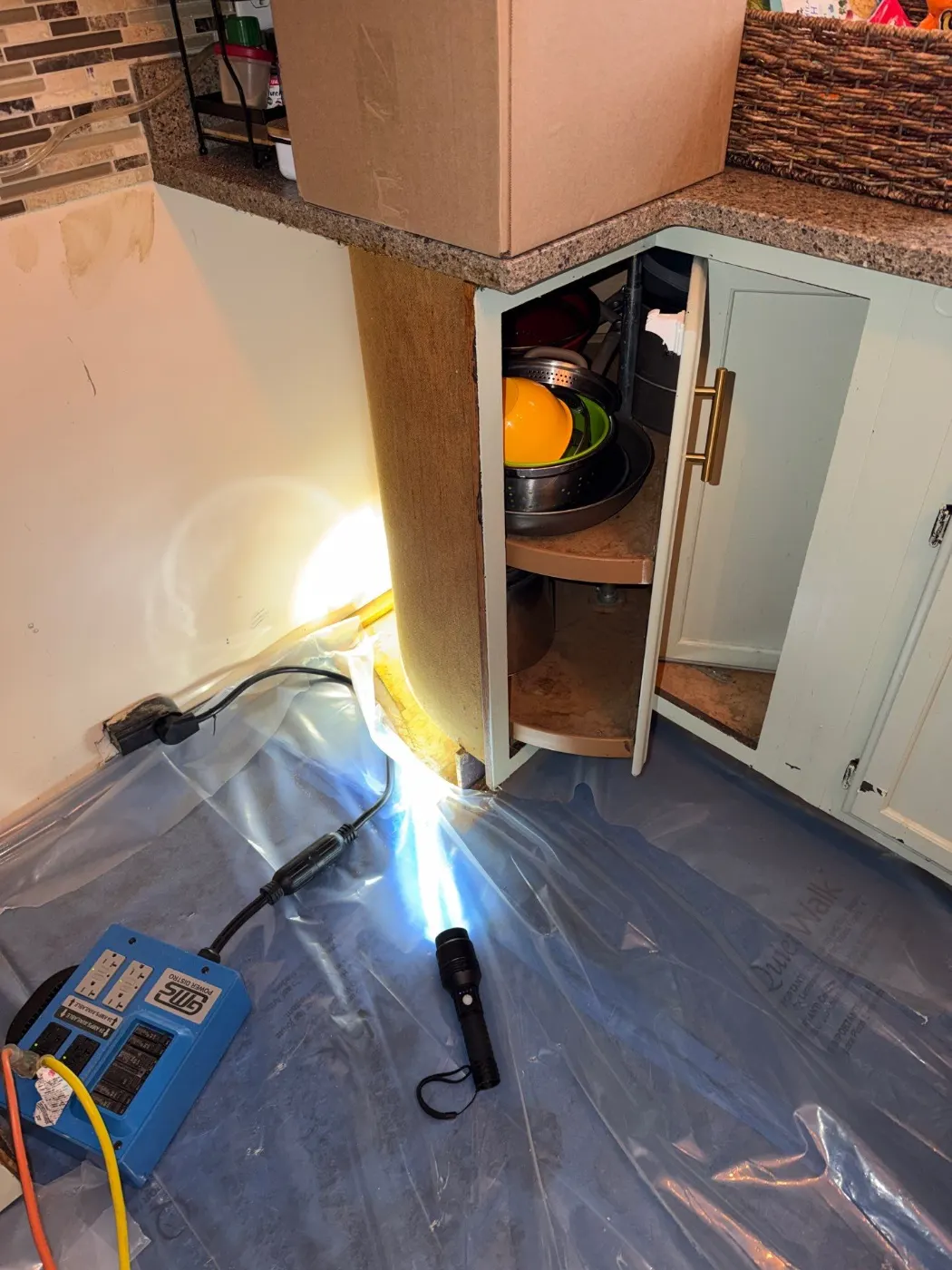
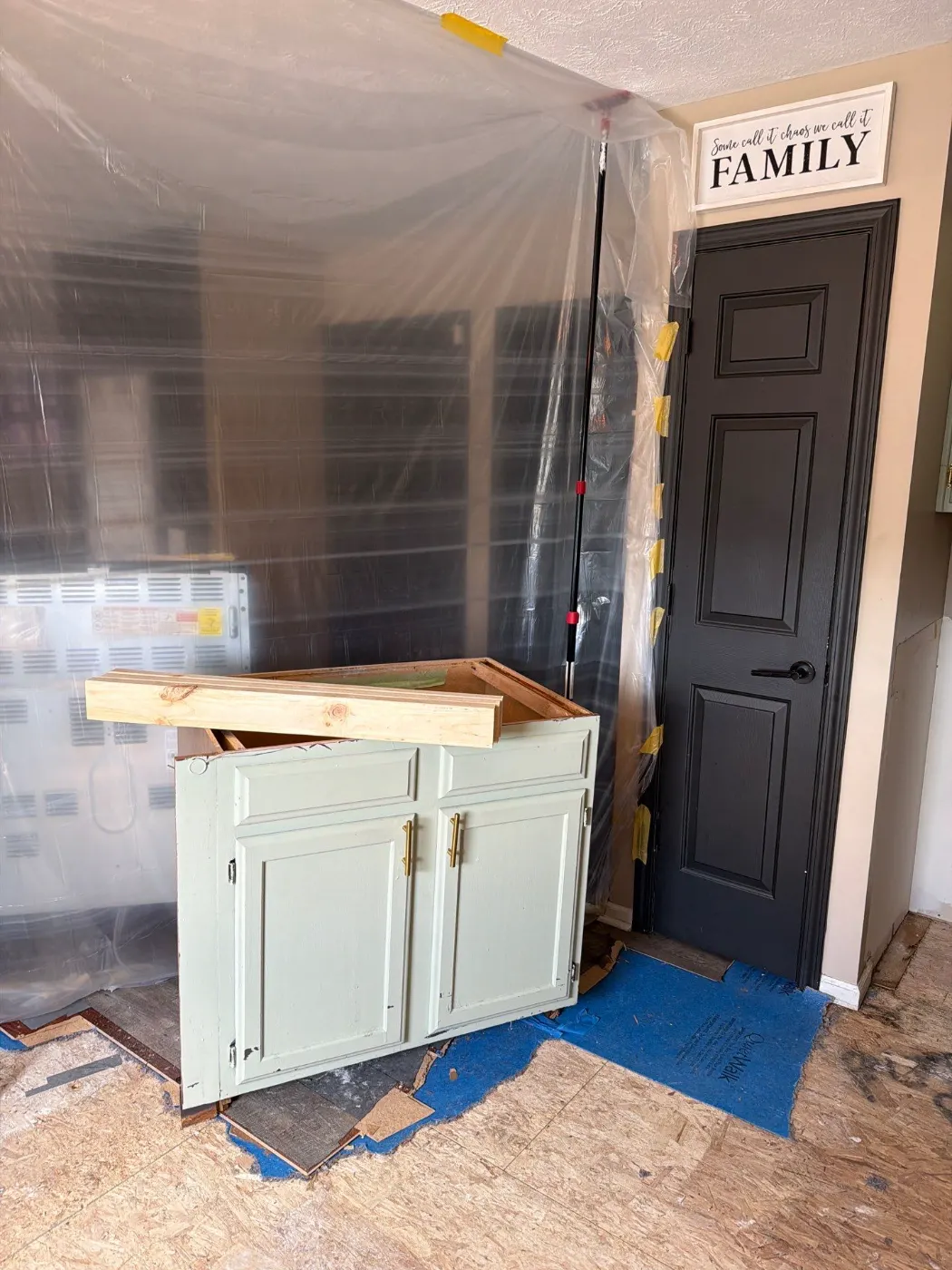
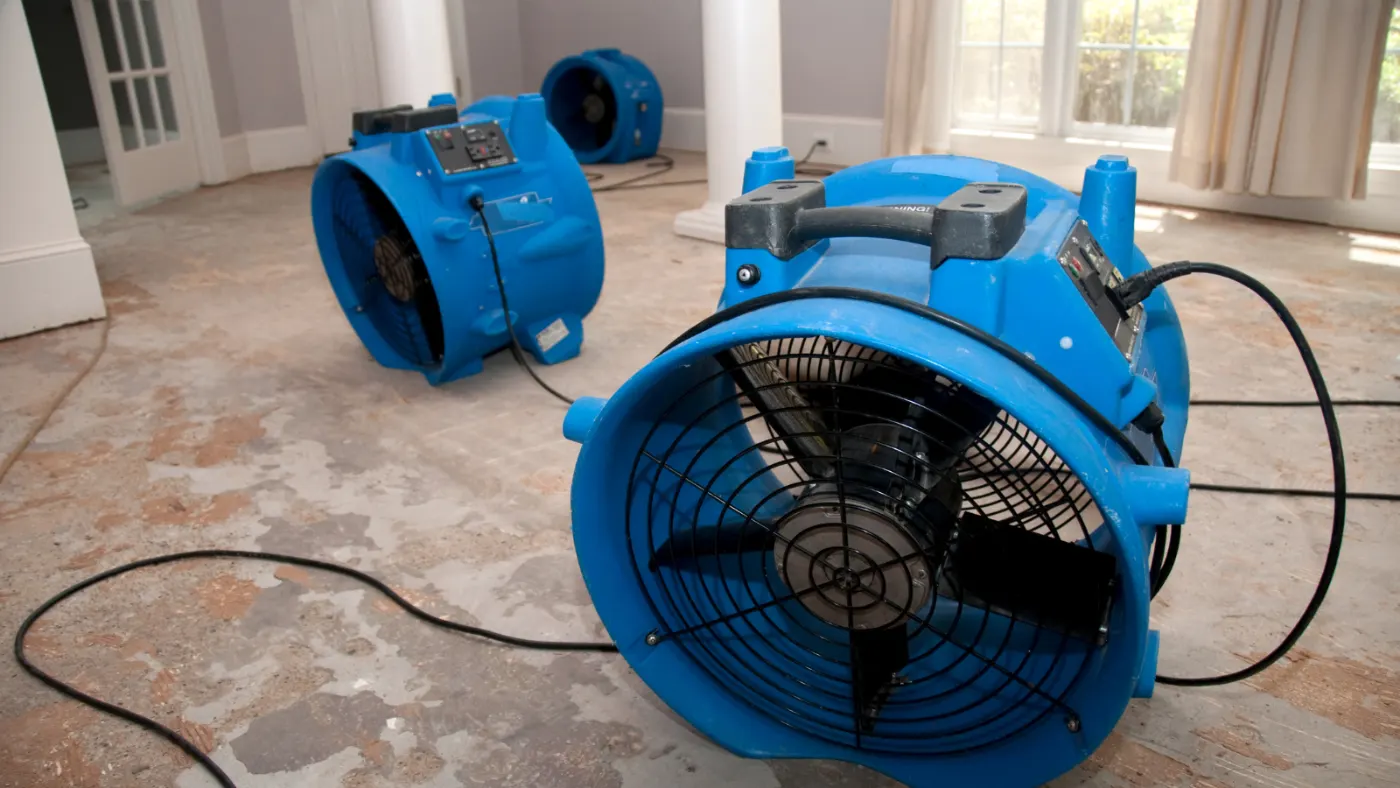
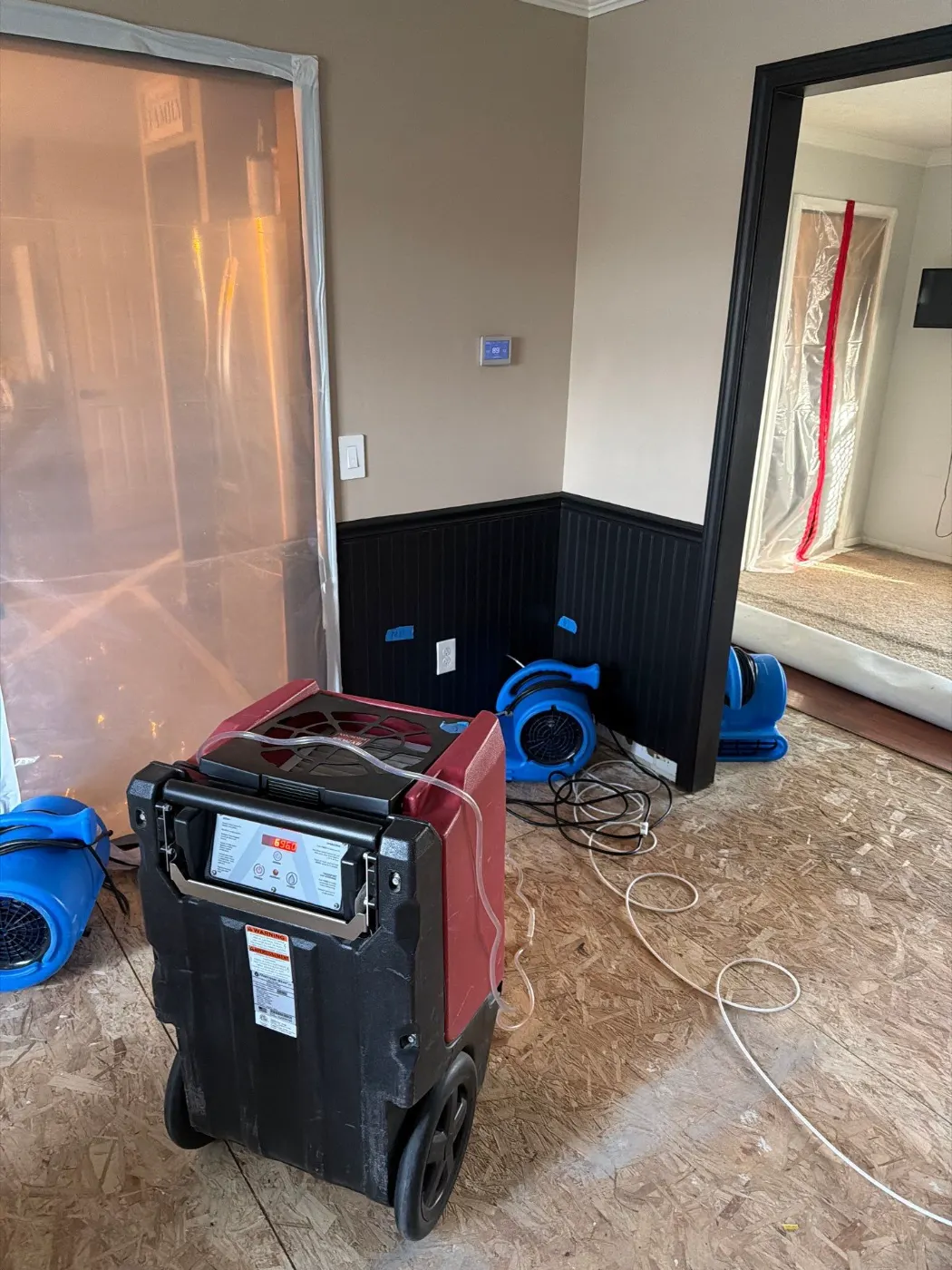
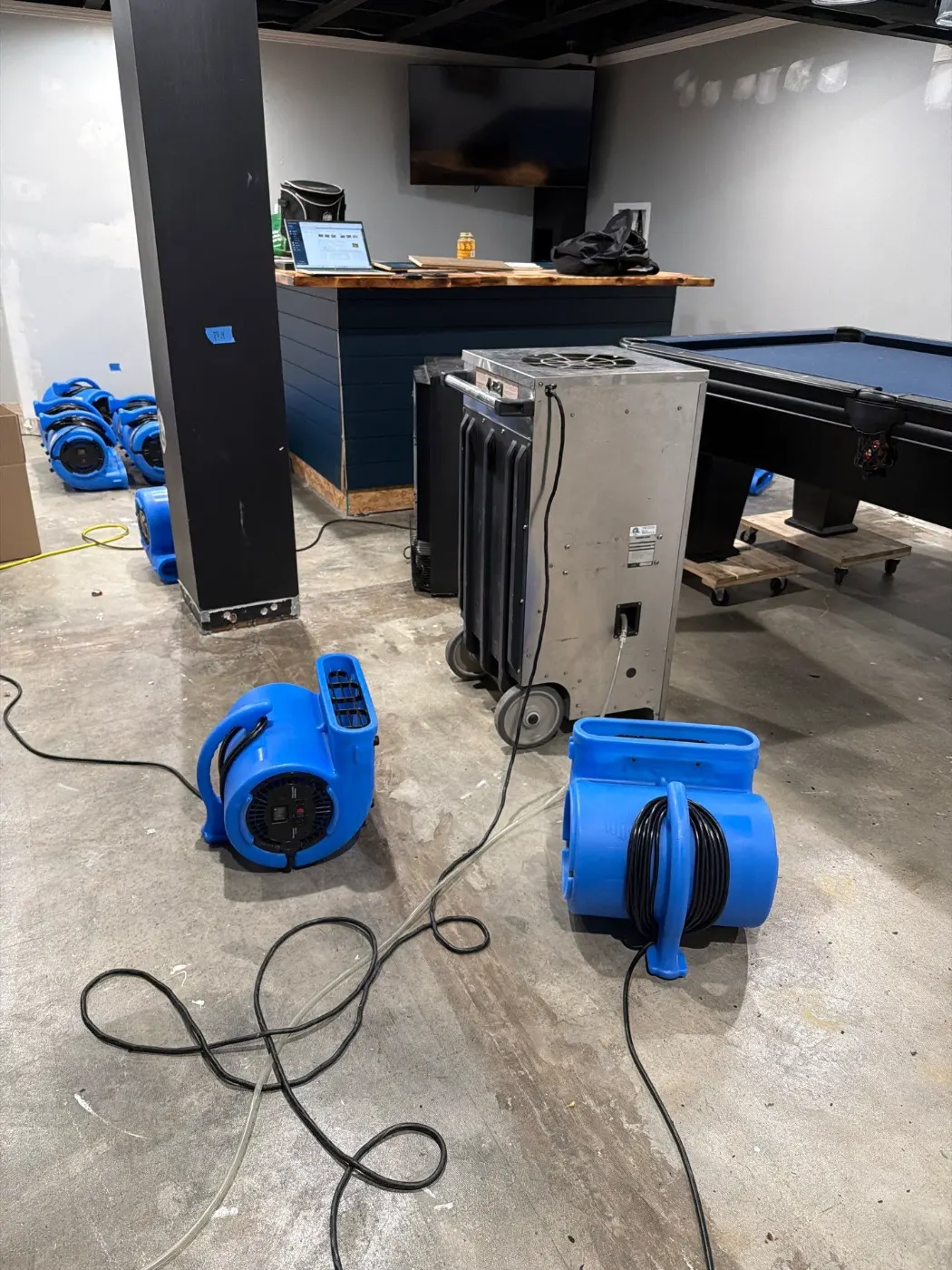
Photographs from real commercial storm damage jobs completed by our crew in Frankton and surrounding areas.
Commercial Storm Damage FAQ
Questions Frankton property managers ask us about commercial storm damage restoration.
Guidance and Standards for Commercial Storm Damage
- The National Weather Service office in Indianapolis posts summaries of recent central Indiana storm and flood events. NWS Indianapolis Event Summaries
- The ANSI/IICRC S500 is the published standard for professional water damage restoration. The current edition is the Fifth Edition, 2021. IICRC S500 Standard
Frankton Neighborhoods We Serve
We take commercial storm damage calls in every part of Frankton. Pick your neighborhood for local details.
Other Restoration Services in Frankton
Frankton Water Restoration handles the full scope of restoration work. Explore our other services below.
Water Damage Restoration in Frankton
24/7 emergency response. IICRC certified water restoration from extraction to full dry out.
Learn more →Basement Flooding in Frankton
Basement water emergencies handled fast. Extraction, drying, mold prevention.
Learn more →Sewage Cleanup in Frankton
Category 3 biohazard cleanup. Full containment, decontamination, structural restoration.
Learn more →Request Commercial Storm Damage Restoration
Reach Us Directly
Our team is available 24/7 for emergencies and ready to schedule inspections during business hours.
Need Immediate Help?
For active water or mold emergencies, call us directly. We are available 24/7.