Commercial Flood Damage Cleanup in Frankton, IN
Standing water pumped out of Frankton commercial properties around the clock, with dispatch inside two hours of your call.
Commercial Flood Damage Cleanup in Frankton, IN starts with one call to Frankton Water Restoration: live 24/7 dispatch, IICRC certified response, and honest written scopes before work begins. Call (765) 508-0821.
- Service: Commercial Flood Damage Cleanup for Frankton homeowners
- Service area: Frankton, IN and surrounding areas
- Response time: Rapid emergency dispatch for Frankton inquiries; crews available 24/7
- Licensed and insured (License #RC21100059)
- Serving Frankton, IN since 2018
Commercial Flood Cleanup in Frankton
We handle commercial flood cleanup across Frankton, and we'll start with the areas your business needs back first.
Flood Exposure Here
Flood risk here runs highest for sites close to Pipe Creek, which is prone to flooding. Your building's own flood exposure gets mapped when we walk the site with your facilities contact.
Our flood crews work commercial sites throughout Frankton, including the blocks around Frankton Elementary School and Frankton Community Library. We also handle commercial flood cleanup in Elwood, Windfall, Summitville and Lapel.
Commercial Flood Damage Cleanup for Frankton Businesses
Heavy summer storms can overwhelm a retention pond or a storm drain fast, and the overflow crosses your lot as a sheet of water at ground level. It reaches the door thresholds carrying grit and whatever else was on the lot. Frankton Water Restoration cleans up commercial flood damage in Frankton with that contamination in mind from the first step.
Knowing where water travels inside a commercial building keeps a mitigation scope from growing on its own. Frankton Water Restoration crews pull flooring where the meters call for it and leave sound assemblies in place to dry, which protects the budget and the finish schedule for your Frankton building at the same time. Each decision gets a photo and a reading in the file.
Where the water came from gets settled early, because the rest of the job depends on it. Water from a broken supply line on a sealed slab can usually be dried in place. Floodwater from outside or a sewer backup means containment first, and the porous material it soaked comes out with disposal records before any drying equipment runs in that space. Crews work that part in protective equipment, and an antimicrobial goes on what stays in your Frankton building.
Scope approval happens in writing before demolition starts. Emergency pumping and extraction run on a signed authorization because standing water does damage by the hour. Past that, you get a line item scope covering mitigation and the reconstruction behind it, and you sign off before anything structural comes out. Change orders come with the readings that justify them, so you can see why the scope moved.
Before anyone cleans up or throws anything away, call Frankton Water Restoration and keep the building as the water left it wherever it's safe to do so. The waterline and the silt are the evidence behind your claim, and the crew photographs and measures them in your Frankton property before any of it moves.
Signs You Need Commercial Flood Damage Cleanup
If you notice any of these in your Frankton building, schedule a free inspection before the issue worsens.
Sump pit overflowing, or a sump pump that quit during the storm
Dripping from the deck above into a drop ceiling, with wet insulation visible through the grid
Floodwater that reached electrical panels or outlets on the ground floor
Raised access floor panels rocking or sounding hollow, with standing water in the plenum below
Standing water visible across more than one bay or section of a warehouse or retail floor
Dock seals and door thresholds showing silt or a waterline after a heavy rain
Dried silt leaving gray dust on shelving and walls once the floor surface dries
A musty or sour smell strongest at return air grilles or when the air handlers first start up
An expansion joint or control joint in the slab weeping water or staying dark for days
Stored files and inventory that sat in floodwater on the bottom shelf or floor
How Frankton Water Restoration Handles Commercial Flood Damage Cleanup
We follow these steps in order on every Frankton job.
Disposal Records
Every load that leaves the building gets a log entry with the date and the type of material. The disposal receipt and a photo of the load go in the same file, so the removal record matches what was hauled away.
Cleaning the Structure
Concrete and block that stood in floodwater are washed with detergent from the top of the wall down and rinsed out. An antimicrobial treatment follows when the scope includes one, so drying starts on a clean surface.
Slab and Concrete Drying
Concrete and masonry hold bound water long after the surface feels dry. In situ relative humidity probes and surface readings taken from the same marked locations daily show what the slab is doing, which is what decides when flooring can go back down over it.
Dehumidification Sizing
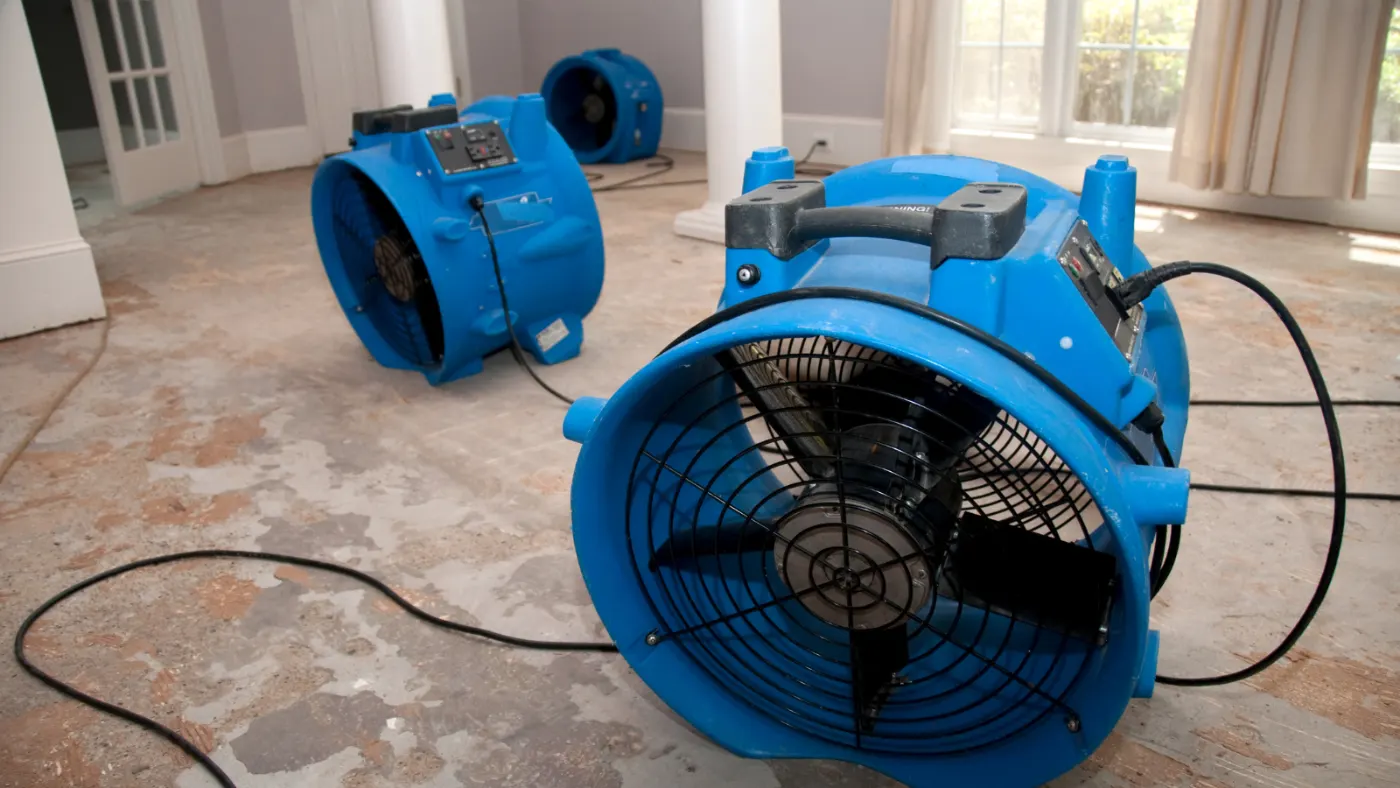
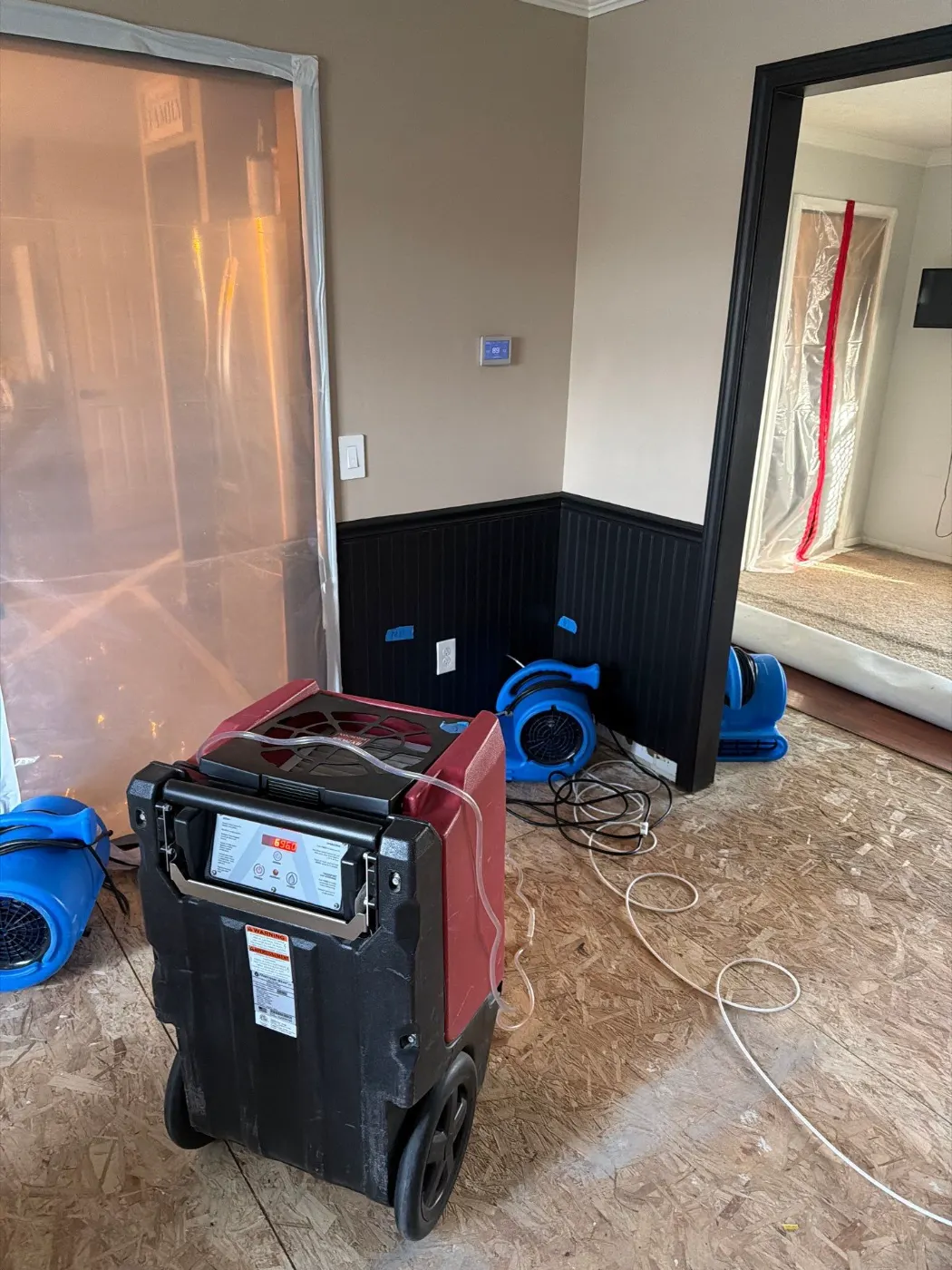
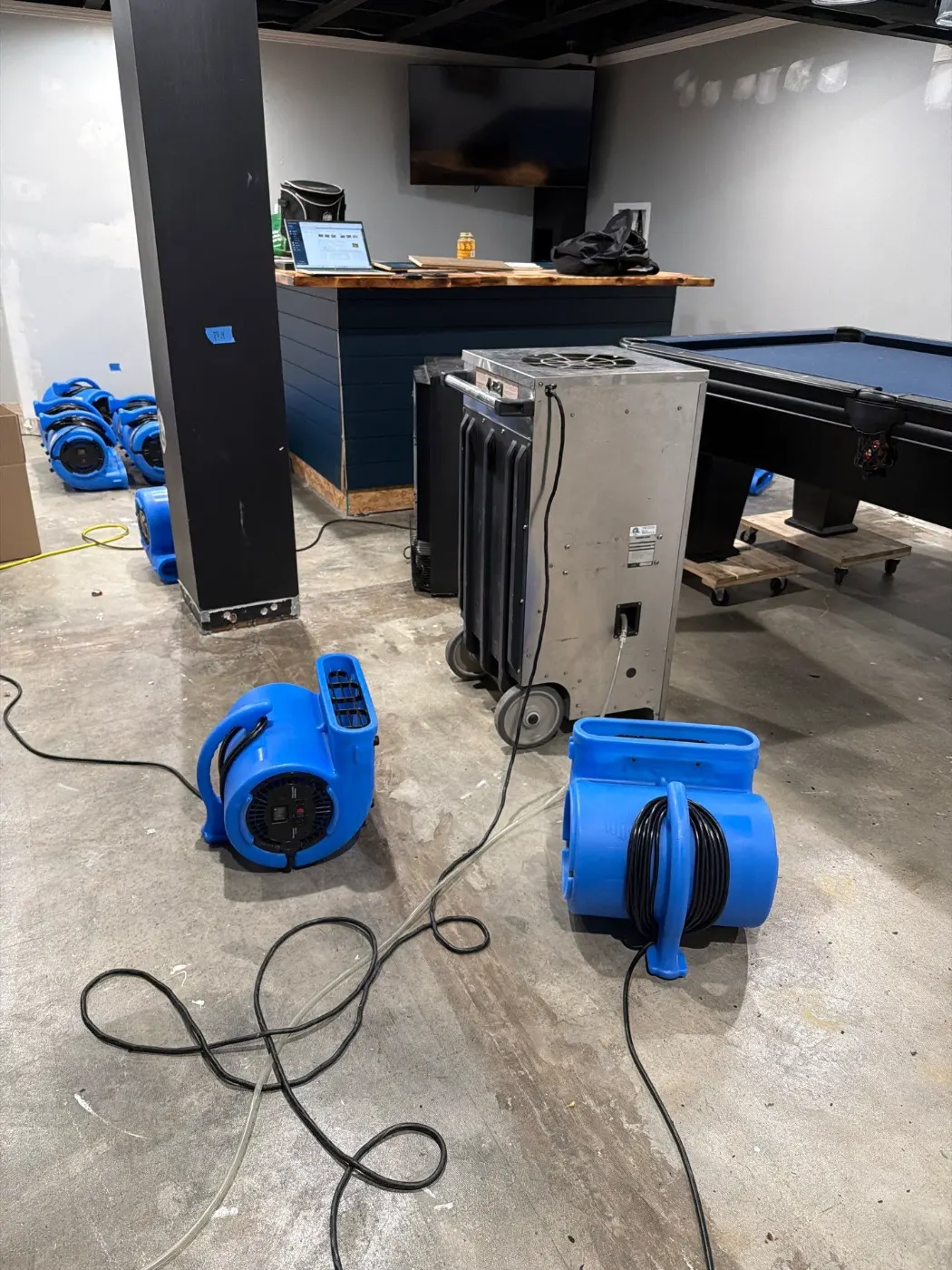
Dehumidifier and air mover counts come from the cubic volume of the affected space and the amount of wet material. Refrigerant units handle open floor area, desiccant units pull moisture out of masonry and concrete, and the math gets rechecked as the daily readings move.
Phased Section Release
Areas that reach dry standard get released back to use while the crew keeps working sections that still hold moisture. Each release carries the readings for that zone, which lets the property come back in pieces as the building and your own occupancy requirements allow.
Commercial Flood Damage Cleanup in Frankton
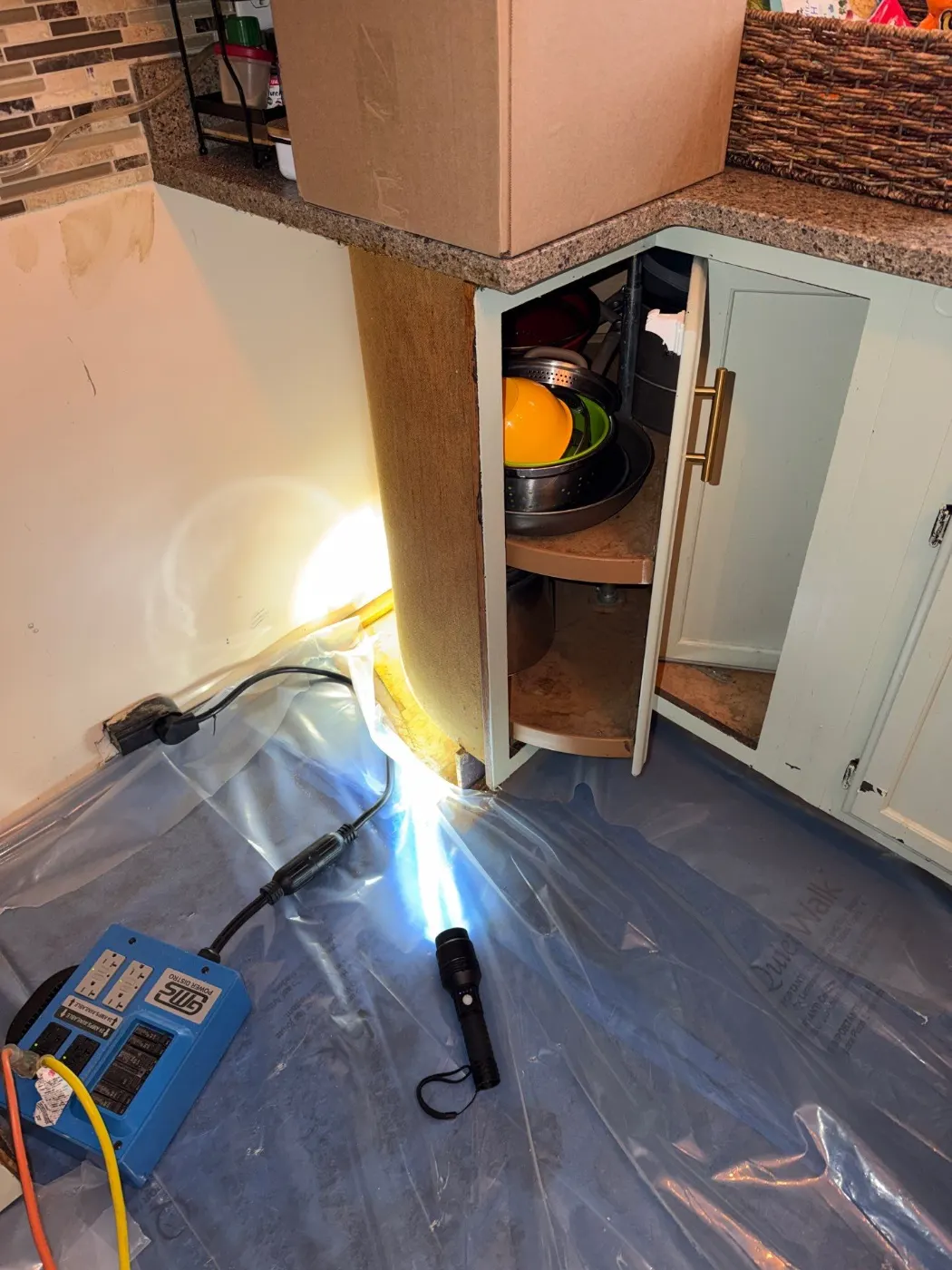
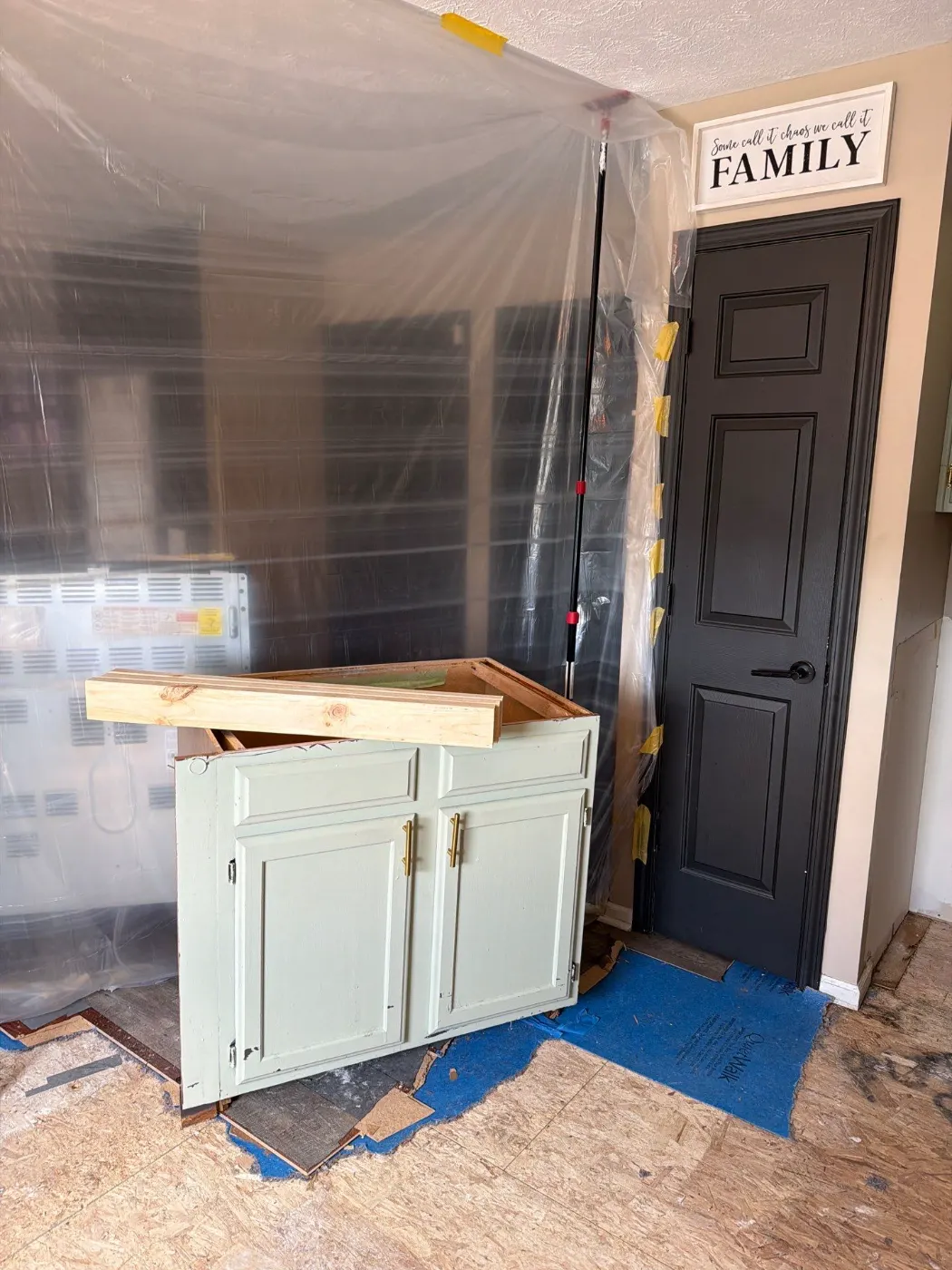
Photographs from real commercial flood damage cleanup jobs completed by our crew in Frankton and surrounding areas.
Commercial Flood Damage Cleanup FAQ
Questions Frankton property managers ask us about commercial flood damage cleanup.
Guidance and Standards for Commercial Flood Damage Cleanup
- The ANSI/IICRC S500 is the published standard for professional water damage restoration. The current edition is the Fifth Edition, 2021. IICRC S500 Standard
- EPA advises drying water damaged areas and items within 24 to 48 hours to prevent mold growth. EPA: A Brief Guide to Mold, Moisture and Your Home
Frankton Neighborhoods We Serve
We take commercial flood damage cleanup calls in every part of Frankton. Pick your neighborhood for local details.
Other Restoration Services in Frankton
Frankton Water Restoration handles the full scope of restoration work. Explore our other services below.
Water Damage Restoration in Frankton
24/7 emergency response. IICRC certified water restoration from extraction to full dry out.
Learn more →Basement Flooding in Frankton
Basement water emergencies handled fast. Extraction, drying, mold prevention.
Learn more →Sewage Cleanup in Frankton
Category 3 biohazard cleanup. Full containment, decontamination, structural restoration.
Learn more →Request Commercial Flood Damage Cleanup
Reach Us Directly
Our team is available 24/7 for emergencies and ready to schedule inspections during business hours.
Need Immediate Help?
For active water or mold emergencies, call us directly. We are available 24/7.